
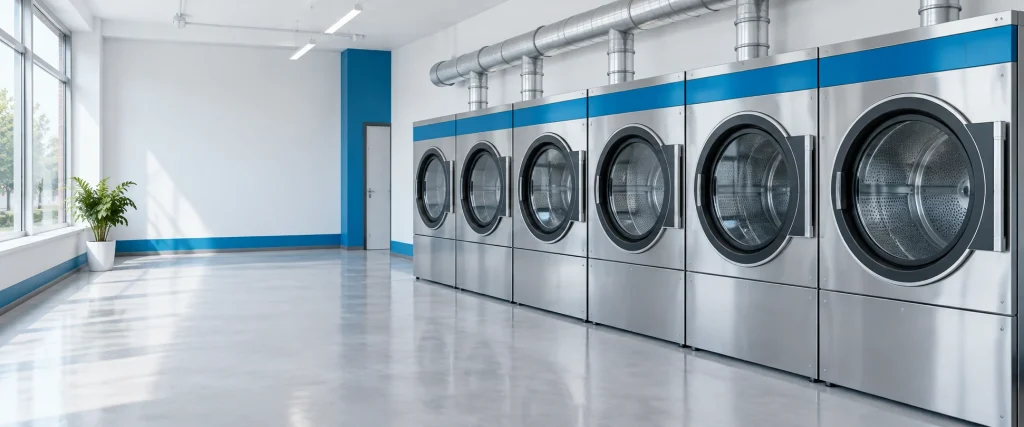
In a busy commercial laundry area, the dryer duct is easy to overlook because most of the system is out of sight. Yet it has a direct effect on drying times, energy use, machine condition and fire safety.
Lint build up is not just a housekeeping issue. When warm, moist air cannot move freely through the duct, dryers work harder and the risk profile of the laundry room changes. This guide explains what causes the problem, what warning signs to look for and how planned commercial dryer duct cleaning helps keep operations running properly.
Why lint builds up in commercial dryer ducts
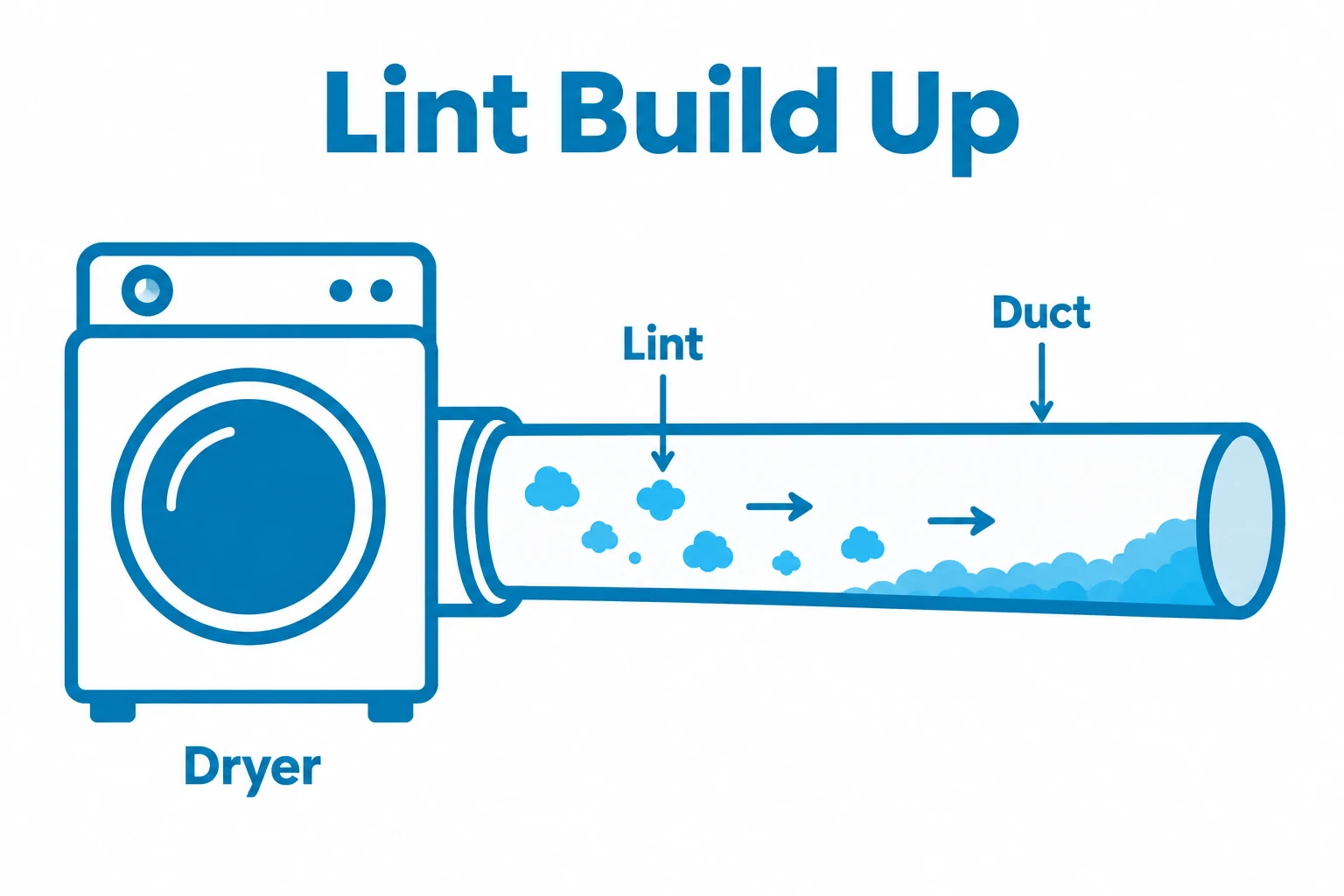
Every dryer produces lint. Filters catch a large amount of it, but fine fibres still pass through into the ductwork with warm air and moisture. In commercial settings, dryers often run for long periods, so small deposits can gather steadily over time.
The rate of build up depends on laundry volume, fabric type, dryer usage, duct length, bends, termination points and filter care. Towels, bedding, workwear and heavily used textiles can shed a lot of fibre, especially where loads are processed day after day.
Moisture also matters. Damp lint can cling to internal duct surfaces, then dry into layers that narrow the path for air. Once airflow drops, the dryer has to push harder to move heat and moisture away from the drum. This is why commercial dryer vent cleaning is a specialist maintenance task rather than a quick wipe around the machine.
The risks of restricted airflow
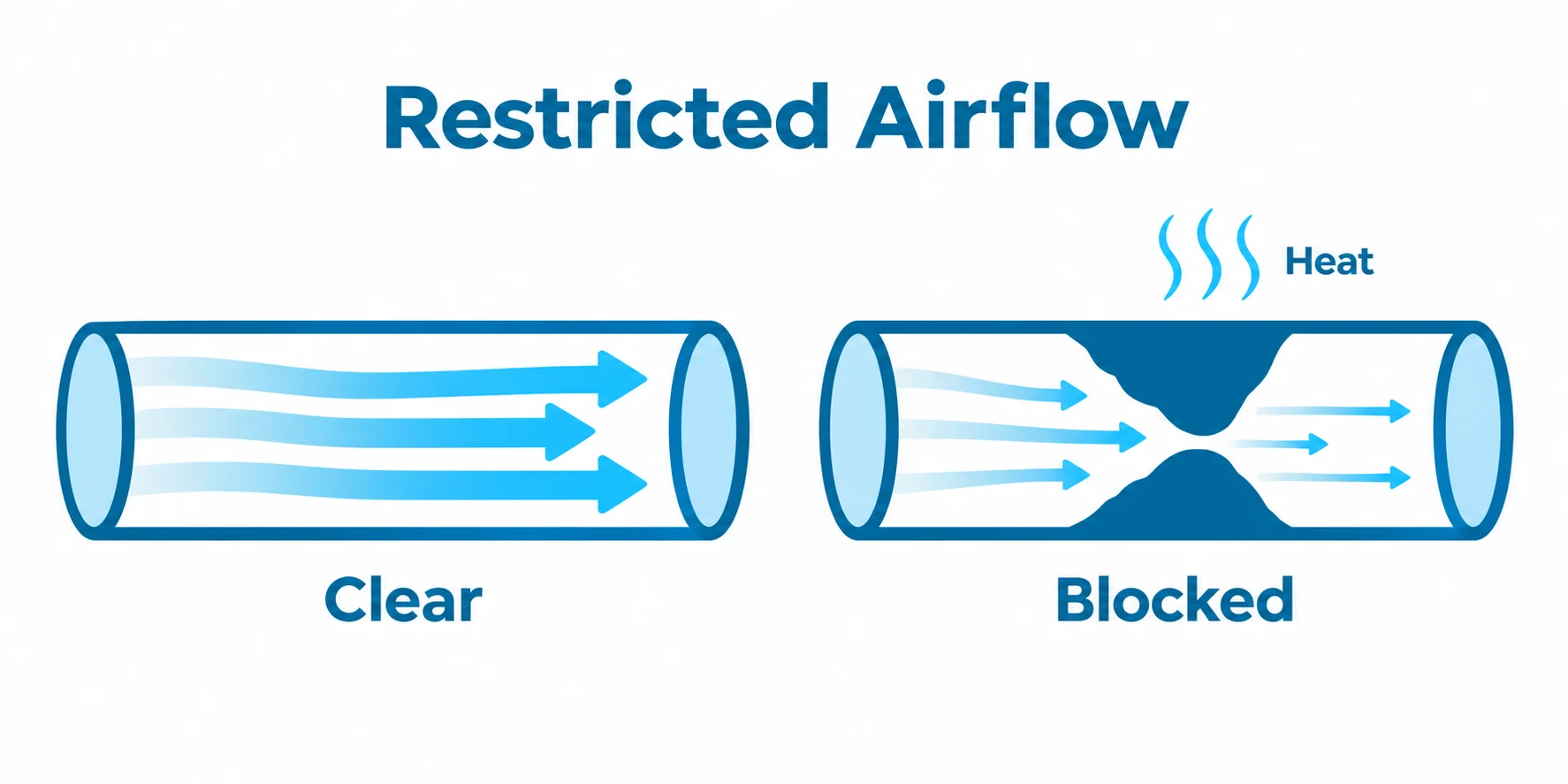
Restricted airflow affects a laundry area in several ways. The most obvious sign is drying performance. Loads may take longer than expected, need repeat cycles or come out unevenly dry. Staff may compensate by extending cycle times, but that does not address the cause.
Dryers are designed to remove moisture efficiently. When exhaust air cannot escape as intended, the machine may run hotter and harder. Over time, that can increase wear on components and create avoidable disruption. A clean duct helps the dryer operate closer to the way it was designed to work.
The fire risk deserves particular attention. Lint is combustible, and a duct with heavy deposits gives heat and debris somewhere to accumulate. Commercial laundry environments should treat lint control as part of wider fire safety management, especially where dryers are used frequently.
Maintenance records matter too. A proper clean, with evidence and a certificate where supplied, gives managers a stronger record than informal checks alone.
For businesses planning maintenance, LCI Ltd provides commercial duct cleaning for dryer systems, including inspection of ductwork and removal of lint and debris.
How to spot a developing duct problem
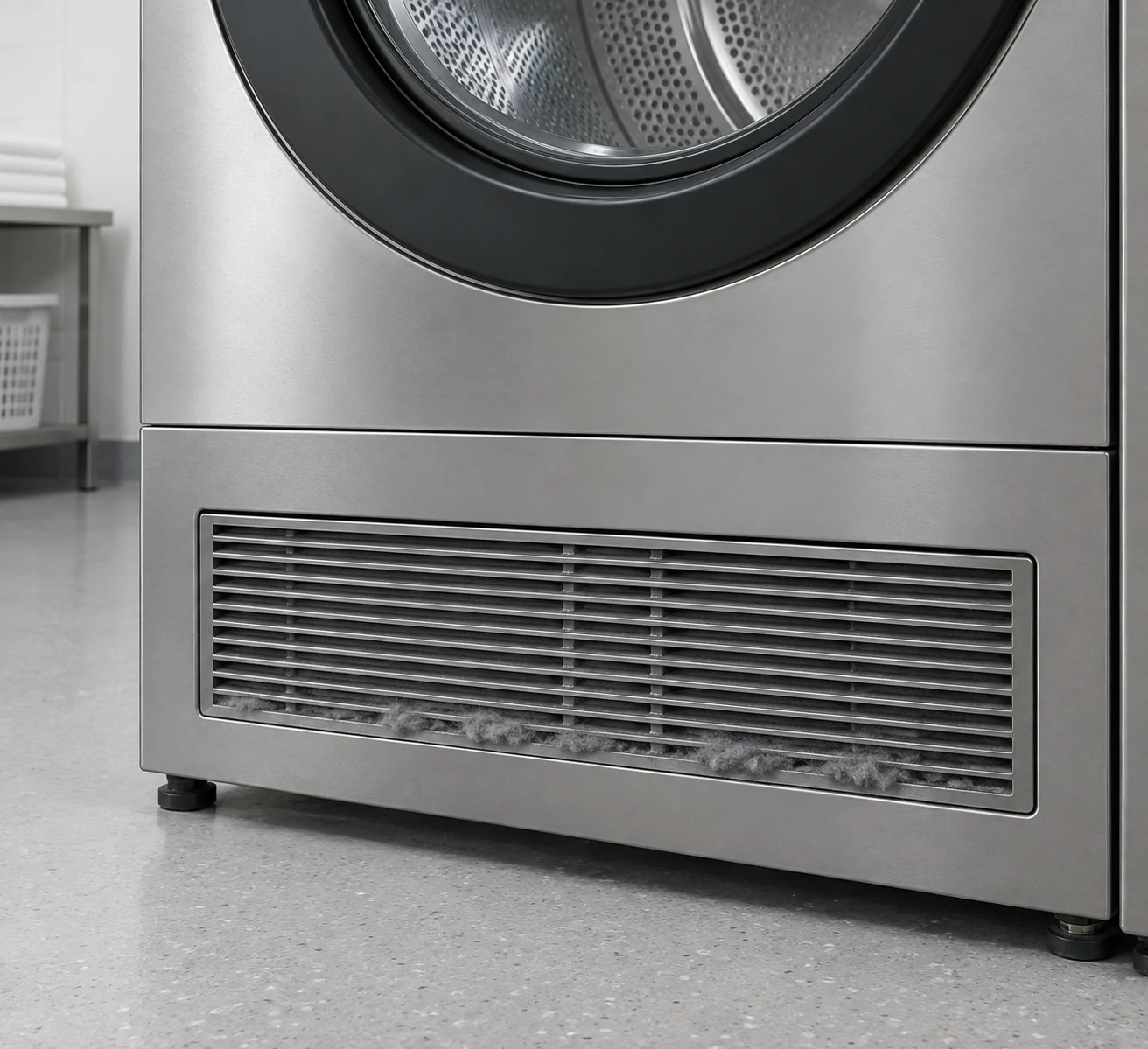
Lint build up can develop gradually, so the early signs are easy to explain away. A single slow drying cycle may be blamed on a heavy load. A warm laundry room may seem normal. The risk is that these small changes become accepted as part of daily operation.
Common signs that a dryer duct may need attention include:
- Loads taking longer to dry than they used to
- Dryers feeling hotter than normal during use
- Excess warmth or humidity in the laundry area
- A noticeable lint smell during or after a cycle
- Lint appearing around the dryer, duct joints or termination
- Staff needing to run extra cycles for standard loads
- Frequent machine warnings linked to temperature or airflow
None of these signs should be treated as a diagnosis on their own. They are prompts to check the system properly. Filters, machine settings and load sizes all need sensible day to day control, but persistent symptoms often point to the duct route as well.
What professional commercial dryer vent cleaning includes
A professional clean should start with an inspection of the ductwork, not just the machine face. The purpose is to understand the route, the condition of the duct and any access points before cleaning begins. This helps identify areas where lint is likely to collect, such as bends, joints and termination points.
The clean itself focuses on removing lint and debris from the duct run so air can move more freely. Depending on the setup, that may involve specialist tools and controlled access to the ductwork. The aim is to remove the obstruction while protecting the equipment and surrounding area.
Useful documentation is part of the value. Evidence from before and after the clean can help managers understand what was found and what was removed. A duct clean certificate can also support maintenance records, fire risk management and future scheduling.
LCI Ltd also works with commercial laundry equipment, which matters because duct condition should not be considered separately from dryer performance. If a dryer is struggling, both the machine and the extract route may need to be considered.
How often should dryer ducts be cleaned
There is no single interval that suits every commercial laundry environment. A small laundry with occasional dryer use will not place the same demand on its ductwork as a setting where dryers run throughout the working day. The right schedule should be based on risk, usage and evidence from previous cleans.
Useful factors to review include:
- How many dryers are in use
- How many hours they run each day
- The type and volume of textiles being dried
- The length and complexity of the duct route
- How quickly lint was found to build up last time
- Any history of slow drying, overheating or machine warnings
After a first professional clean, the findings can guide a more suitable maintenance rhythm. If a duct contains heavy deposits, a shorter review period may be sensible. If the duct is relatively clear and usage is light, the schedule may be different. The key is to make a deliberate decision and record it.
Filter cleaning should still happen routinely between duct cleans. It is the simplest daily control and helps reduce the amount of lint entering the duct. However, filter care does not replace duct cleaning, because fine fibres can still pass through and collect beyond the machine.
Making duct care part of routine maintenance
The best approach is to treat duct cleaning as part of planned maintenance rather than waiting for a fault. That keeps the focus on prevention, performance and evidence. It also makes it easier to schedule work at a convenient time for the operation.
A practical routine can include daily filter checks, staff reporting of drying issues, periodic inspection of accessible duct sections and booked professional cleaning. Dryer performance, duct condition and fire risk are connected, so the information should be shared between the people responsible for equipment, safety and maintenance.
Commercial dryer duct cleaning is a straightforward way to reduce hidden lint, support dryer efficiency and strengthen the maintenance record. For busy laundry environments, that combination is worth taking seriously.
- Lint can pass beyond dryer filters and collect inside commercial ductwork.
- Restricted airflow can increase drying times, heat stress and fire risk.
- Warning signs include slow drying, excess heat, lint smells and airflow alerts.
- Professional cleaning should include inspection, lint removal and useful maintenance evidence.
- Cleaning frequency should reflect dryer use, duct layout and previous findings.
Frequently asked questions
Is commercial dryer duct cleaning the same as cleaning the lint filter?
No. Filter cleaning is a routine task at the machine. Dryer duct cleaning deals with lint and debris inside the duct route beyond the filter, including areas staff cannot usually reach.
Can lint build up affect dryer running costs?
It can. When airflow is restricted, loads may take longer to dry and machines may work harder. A clean duct supports better airflow and efficient drying.
What evidence should I keep after a duct clean?
Keep the clean date, findings, evidence supplied by the contractor and the duct clean certificate if provided. These records can support maintenance planning and fire safety management.
Should I wait until the dryer shows a fault?
No. Planned cleaning is better than waiting for a warning, slow drying or an overheating concern. Regular checks help reduce risk and make maintenance easier to manage.
Need help with dryer duct cleaning?
If you are reviewing laundry safety or planning maintenance, LCI Ltd can help with a clear, practical duct cleaning service for commercial dryer systems.